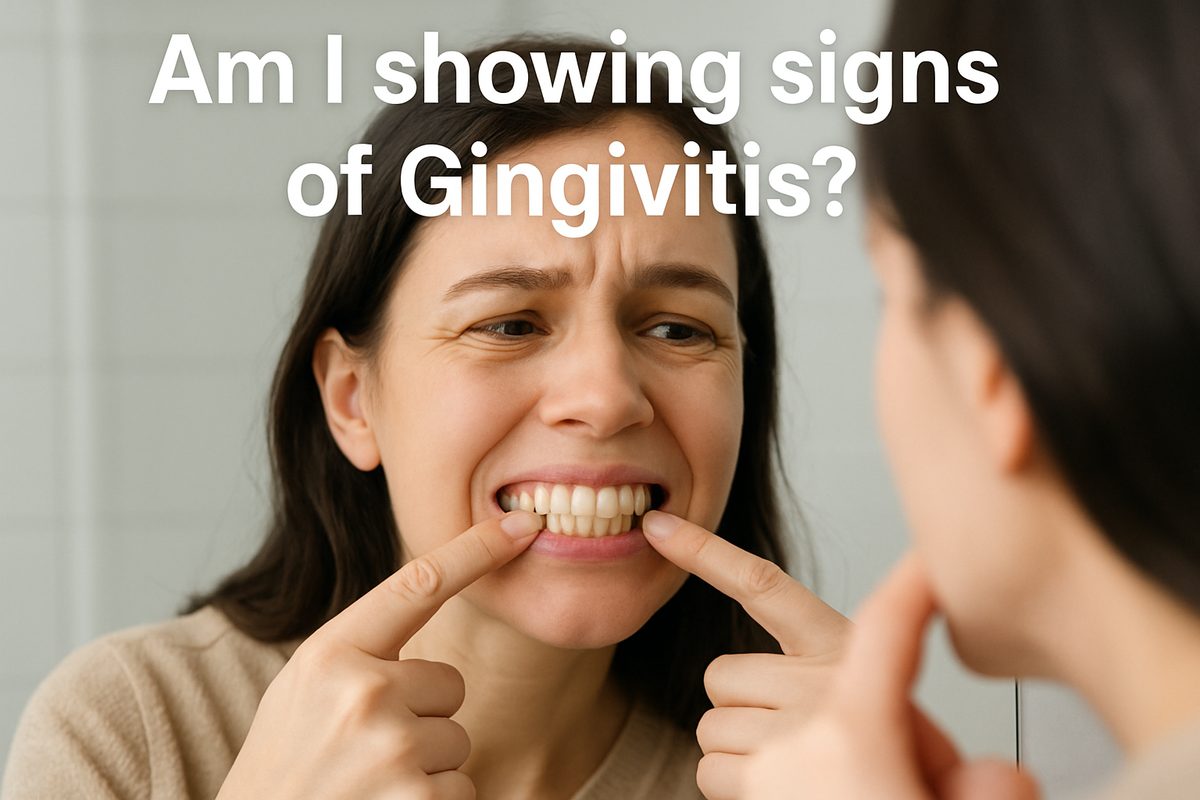
Gingivitis is common, and unlike the more advanced periodontitis it can lead to, it’s typically reversible with the right care. Knowing the early signs is what makes that reversal possible.
Key Symptoms to Watch For
Bleeding when you floss or brush. Healthy gums don’t bleed from normal hygiene. Bleeding is usually one of the earliest and most noticeable signs something is off.
Red, swollen, or puffy gums. Healthy gum tissue is firm and pale pink. Inflammation causes redness and swelling as the body responds to bacteria along the gumline.
Bad breath or a bad taste that won’t go away. Persistent bad breath despite normal brushing can point to bacterial buildup below the gumline rather than something a mint will fix.
Sensitivity, tenderness, or receding gums. Gums that feel tender to the touch, or that appear to be pulling away from the teeth, often signal inflammation that’s progressed beyond the earliest stage.
How Dentists Check for Gingivitis
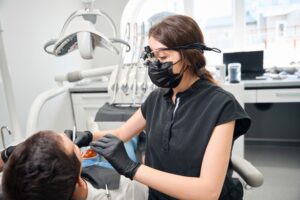
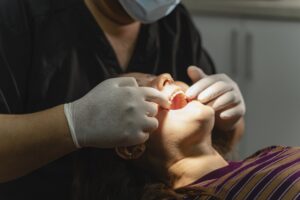
A visual exam combined with gentle probing around each tooth measures gum pocket depth and checks for bleeding on contact. X-rays or more detailed imaging may be used if bone involvement is suspected, and in some cases a perioscope, a tiny camera, allows a more precise look below the gumline than probing alone can provide.
At-Home Steps Worth Trying First
Improving brushing and flossing technique, rather than just frequency, often makes a meaningful difference on its own. An antimicrobial mouthwash can help as a short-term measure, and lifestyle changes like quitting smoking and managing blood sugar levels support healthier gum tissue generally.
Professional Treatment Options
Scaling and root planing, often called a deep cleaning, removes plaque and tartar from below the gumline where a toothbrush can’t reach. Laser periodontal therapy, including LANAP, offers a more advanced option for cases that need it. Ongoing recall visits on a regular schedule are what catch a recurrence before it becomes a bigger problem again.
When Gingivitis Becomes Periodontitis
Gingivitis affects only the gum tissue and is generally reversible. Left untreated, it can progress into periodontitis, where the infection spreads to the bone and ligaments supporting the teeth, a stage that’s managed rather than fully reversed. Additional periodontal treatment covers what that more advanced care involves.
How Progressive Implantology & Periodontics Helps
The practice’s periodontal team diagnoses gum disease at whatever stage it’s caught, and treats early gingivitis with the goal of reversing it before it can progress into something that requires more involved care.
Think You Might Have Gingivitis?
Schedule an evaluation with Progressive Implantology & Periodontics to find out where your gum health stands and what, if anything, needs to be addressed.